What does a storm damage inspection include?
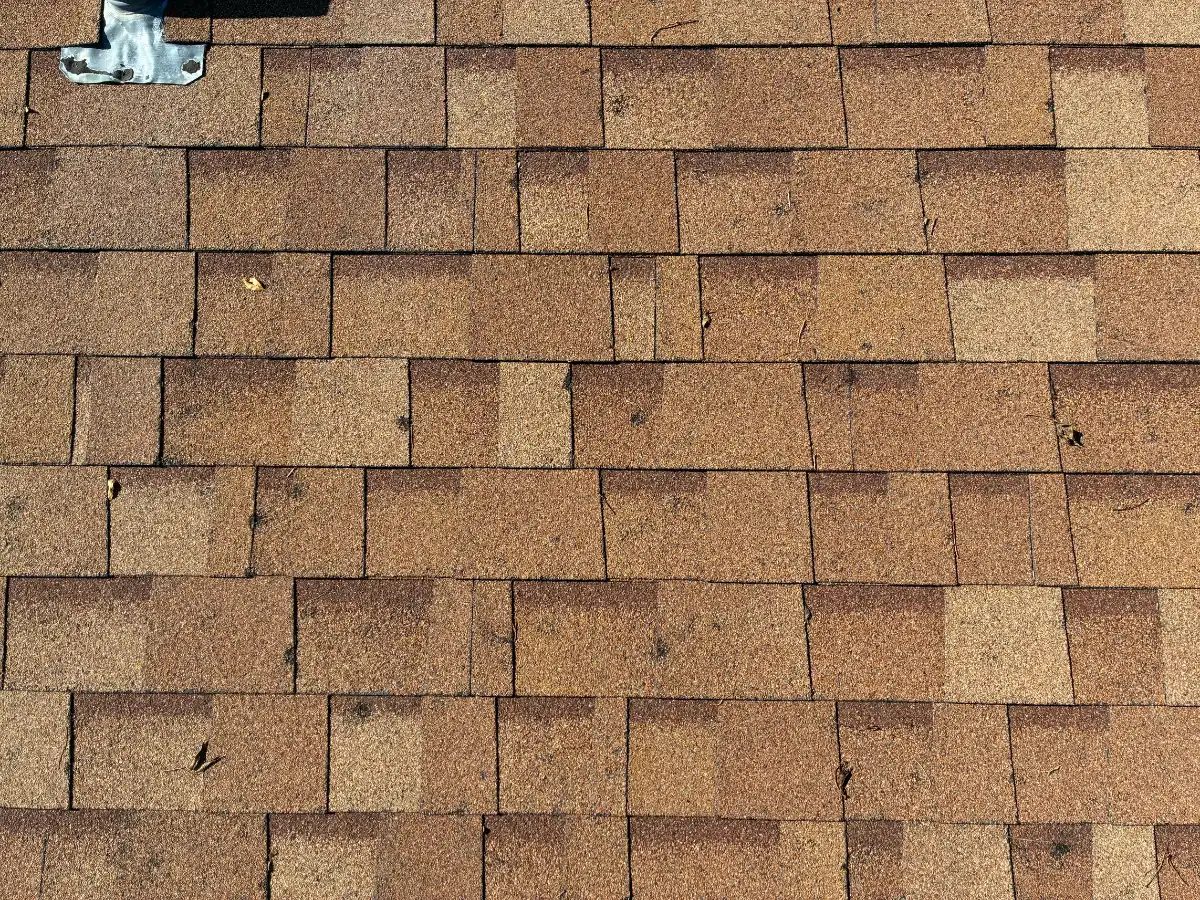
A storm damage inspection is a full, documented survey of your roof after a hail or wind event: every slope from the air by drone, every slope again on foot, and the attic underneath. We photograph each hail bruise and creased shingle, chalk-mark test squares and count the hits inside them, measure the slopes, and record the collateral evidence on gutters, drip edge, vents, and flashing that ties the damage to a specific storm on a specific date.
What you get is a dated photo report and a written repair scope. The report shows what is on the roof and where. The scope lists what it takes to fix it, line by line, including the code-required items like underlayment and flashing that a quick look from the driveway leaves off. That package is yours. If you file a claim, it is what your adjuster reviews. If you do not, it is an honest picture of where your roof stands.
The inspection is free, with no obligation. Some roofs we inspect are fine. Some have damage that is not worth a claim and is cheaper to repair out of pocket. Some are clearly storm-damaged across every slope. We tell you which one you have, in writing, and the decision about what to do next stays with you.
How does a roof insurance claim actually work?
A roof insurance claim works by showing your carrier that a sudden, covered event, usually wind or hail, damaged your roof. Homeowners policies cover sudden storm damage, not gradual wear or age, and that single distinction drives almost every claim decision. The clearer the evidence that a storm did the damage, the cleaner the claim.
The process follows a predictable sequence. You report the damage to your carrier, the carrier assigns an adjuster, the adjuster inspects the roof, and the carrier issues a scope and an estimate of what it will pay. You compare that scope against your contractor's written estimate. Once the scope is approved, the work gets done and the carrier releases any remaining payment. Every step runs on the quality of the documentation behind it.
Two policy terms shape your out-of-pocket cost more than anything else: your deductible, and whether your coverage is replacement cost value or actual cash value. Replacement cost value pays to replace the roof at today's prices, usually holding back depreciation until the work is done. Actual cash value pays the depreciated value and you cover the gap. Both are on your declarations page, and your agent can confirm which one applies before you file.
What goes in the documentation your adjuster sees?
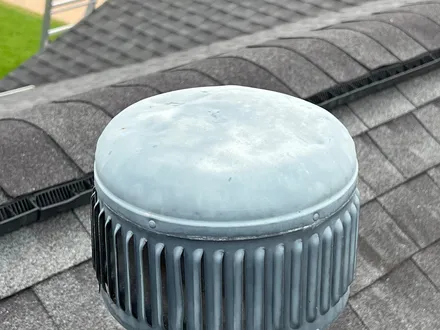
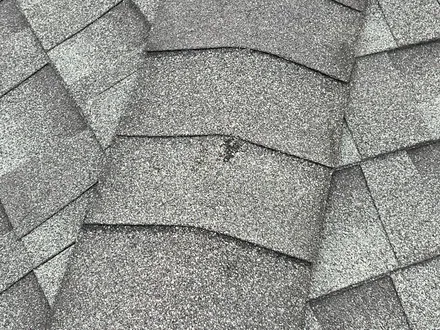
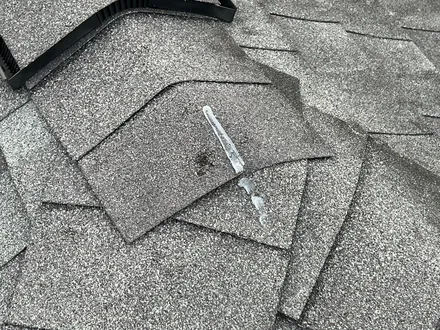
Your adjuster sees the same things we photograph: round hail bruises with granule loss and a soft mat underneath, hit counts inside a marked test square on each slope, lifted and creased shingles from wind, broken sealant bonds, and displaced flashing. They also look for corroborating dents on gutters, downspouts, drip edge, and vents, because soft metals confirm hail size and wind intensity across the whole property.
So that is what we document. Dated drone photos of every slope. Close-ups of representative hits with the chalk marks and counts visible. Measured slopes, pitch, and square counts. Attic photos where water tracks or daylight show up. Photos of every dented soft metal. The storm date and the direction it came from, matched to the slopes that took the damage. It is the same grid-and-square method adjusters use, so our findings and theirs speak the same language.
The report is built so nothing is left to memory or argument. An adjuster inspects many roofs a week and can move fast. A roof that has already been photographed, measured, and marked hit by hit is a roof that does not get judged from the ground. We hand you a report your adjuster can verify line by line, and that is what protects a fair outcome.
What happens when the adjuster comes out?
When your adjuster schedules the inspection, we meet them at your house and walk the roof with them. We show them every slope we marked, every test square and its count, every creased tab, and every dent on the gutters and vents. Damage on a back slope or behind a chimney is easy to miss in a fast inspection. Our job is to make sure nothing we documented goes unseen.
The adjuster writes the scope. That is their job, and we respect it. We do not argue, inflate, or negotiate. We point at what is there, answer questions about what we found, and leave the report with them. Complete documentation, presented on the roof, is what keeps legitimate storm damage from being written off as wear.
If you would rather we not be there, that is your call. The report stands on its own. Most homeowners want us present because a second set of eyes that already knows the roof makes the inspection faster and more thorough, and because it takes the pressure off you to explain damage you cannot see from the ground.
What if the carrier's scope misses something?
A carrier's scope can come back short for specific reasons: the inspection missed a slope, the estimate left out code-required items, the damage was classed as wear, or the documentation was too thin to support the claim. Each of those has a documentation answer. The first step is knowing which reason applies, and that starts with setting the carrier's scope next to our written estimate.
When the scope leaves out work the roof needs, we give you an itemized comparison and the photos behind every line, so you can submit a supplement to your carrier with the evidence attached. If the claim was denied outright, the same dated report supports a reinspection request. You always have the right to escalate within your carrier's process, and a well-documented file is what that process runs on.
We are a roofing contractor, not a public adjuster or a law firm. We do not negotiate with your carrier or handle your claim for you. For disputes that go beyond scope and documentation, you may need a licensed public adjuster or an attorney. Most gaps are documentation gaps, though, and that is exactly where a thorough roofer makes the difference.
Why should you use a local roofer for storm damage documentation?
You should use a local roofer because the crew that documents your roof is the crew that has to stand behind the work for years. After every Houston storm, out-of-town crews descend on Katy and the surrounding suburbs promising to handle your claim and get you a free roof. Many push illegal deductible waivers, ask you to sign an assignment of benefits that hands them your claim rights, and disappear once the check clears. A local crew has its reputation on the line in your own neighborhood.
Be especially careful with anyone who offers to waive your deductible or eat it for you. That is insurance fraud, and it exposes you, not just them. Be equally careful signing an assignment of benefits, which can strip you of control over your own claim and lock you into a contractor you cannot easily fire. A legitimate contractor documents the damage, builds to the approved scope, and never asks you to do anything dishonest to get the job.
Rlynt Roofing is locally owned in Katy, TX. We carry an A rating with the BBB, a 5.0 star rating on Google, a 5.0 on Angi, and we are insured. Every storm restoration we complete is backed by a 10-year workmanship warranty plus the manufacturer material warranty, in writing. We install Owens Corning architectural and Class 4 impact-rated shingle systems, with IKO options available, so the rebuilt roof holds up to the next storm.
How long does the process take from inspection to finished roof?
Most storm roofs run from a couple of weeks to a couple of months from inspection to completed work, depending on your carrier, the season, and how clean the documentation is. Filing and getting an adjuster scheduled is usually the slowest part, and it slows further after a major storm when carriers are handling a surge across the region. A fully documented roof moves faster because there is less back and forth over what is up there.
The roof work is the quick part. Once your carrier approves the scope and materials are on site, most residential roofs are torn off and replaced in one to a few days, weather permitting. If your roof is actively leaking while you wait, we dry-in the vulnerable areas so your home stays protected. You are never left exposed while paperwork moves.
The best way to keep things on schedule is to start with a thorough inspection and stay responsive to your carrier. Every missing photo or unanswered request adds days. We handle the documentation side so your carrier has fewer reasons to ask for more. From inspection to final photos, you will know what we found and what we built.
Our Process
- 01
Free inspection
We inspect the roof — drone plus boots-on-roof — and give you a full photo report. No obligation.
- 02
Documented assessment
You see exactly what we see: every hit, leak, and worn area, documented the way insurers expect.
- 03
Clear written scope
A written scope and price. If insurance is involved, we build the claim documentation and meet your adjuster on the roof.
- 04
The build
Our own crew does the work — tear-off, decking check, underlayment, and your chosen shingle system, installed to code.
- 05
In writing
A 10-year workmanship warranty plus the manufacturer material warranty. Final walkthrough and cleanup with a magnetic nail sweep.