Local roofing in Katy
Katy sits in one of the most storm-exposed corridors in Greater Houston, straddling the Harris and Fort Bend county line where prairie storms build fast. The May 16, 2024 derecho ran near-100 mph winds through this area — the worst wind event Houston had seen in nearly 25 years — and Hurricane Beryl followed on July 8 as a Category 1 directly over Katy, dropping eight-plus inches of rain and gusts near 75 mph that stripped shingles and downed limbs across 77449 and 77494. The master-planned neighborhoods here — Cinco Ranch, Firethorne, Grand Lakes — are full of 2000s-era architectural shingle roofs now old enough that back-to-back wind and hail turn small bruises into active leaks. We inspect free, document every hit the way adjusters expect, and restore roofs to current code.
Neighborhoods we serve in Katy
We’re on roofs across Katy every week, including:
HOA & permitting in Katy
Most Katy master-planned communities (Cinco Ranch, Firethorne, Cane Island) require HOA approval of shingle color and profile before a replacement. We pull the approved-materials list for your community and match it, and we can provide the documentation your HOA architectural committee needs.
What storms have hit Katy roofs hardest?
Katy took two back-to-back beatings in 2024. The May 16 derecho pushed straight-line winds near 100 mph across the region, and because the storm tracked over the west side of Houston, Katy caught the leading edge — lifted ridge caps, peeled starter courses, and thrown debris that punched into decking. Two months later Hurricane Beryl came ashore and moved directly over Katy on July 8 as a Category 1, dumping over eight inches of rain with gusts around 75 mph. The City of Katy ran organized debris removal for weeks afterward, and a lot of the roof damage from that one-two punch is still surfacing as ceiling stains today.
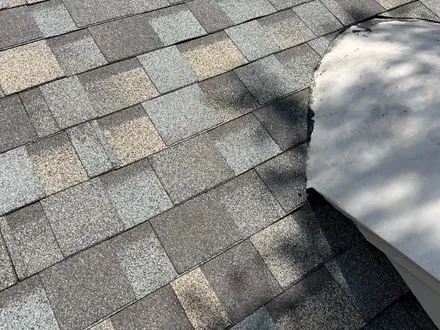
Hail is the other half of the story. Spring cells rolling in off the prairie have dropped quarter-size to golf-ball-size hail across the Katy and Richmond corridor, with April 2023 being a standout round that peppered roofs from Cinco Ranch outward. Hail damage rarely looks dramatic from the driveway — it shows up as bruised, granule-stripped spots that shorten a roof's life quietly. That is exactly the kind of damage a ground-level glance misses and a proper inspection catches.
Which Katy neighborhoods are we on most?
Cinco Ranch and Grand Lakes make up a big share of our week. Many of the original east-side Cinco Ranch sections in 77450 are now 20-plus years old, so worn early architectural shingles are giving out right as storm season tests them. Firethorne and Seven Meadows sit on more open ground toward the Fort Bend line, so those roofs take extra wind uplift at hips and ridges where there is little tree cover to break the gusts.
Cane Island and Falcon Point trend newer, but newer does not mean untouched — wind-driven rain finds weak flashing and lifted tabs on a five-year-old roof just as readily as an old one. Tamarron, straddling the Katy-Fulshear edge, sees the same prairie exposure. Wherever your home sits across 77449, 77450, 77493, or 77494, we know the roofing stock street by street and inspect for the failure points common to that build era.
How do Katy hail and wind insurance claims work?
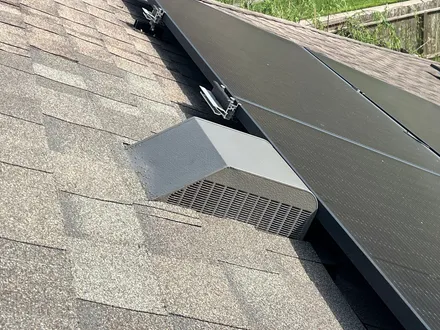
Timing matters in Katy because the two 2024 events fell in the same summer, and insurers scrutinize whether damage is storm-related or age-related. We document each roof the way an adjuster needs to see it — dated drone photos, close-ups of bruising and creasing, measured slopes, and notes on collateral damage to gutters, vents, and soft metals that corroborate a wind or hail event.
Once your claim is filed, we meet your adjuster on the roof and walk the damage together so the scope reflects what is actually up there, not a guess from the ground. We do this every week across the Katy corridor, so we know what a fair scope looks like and where legitimate line items get missed. You get straight answers and written documentation, whether the outcome is a full replacement or a targeted repair.
What should Katy homeowners check before calling a roofer?
Start inside. After a big Katy storm, walk your ceilings and closets with a flashlight looking for fresh water stains, and check the attic for daylight through the decking or damp insulation. Outside, look for shingle granules collecting in gutters and at downspout splash blocks — heavy granule loss after wind or hail is an early sign the surface has been compromised.
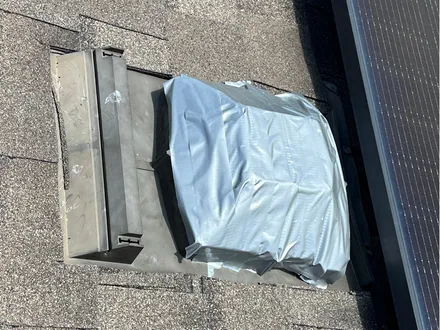
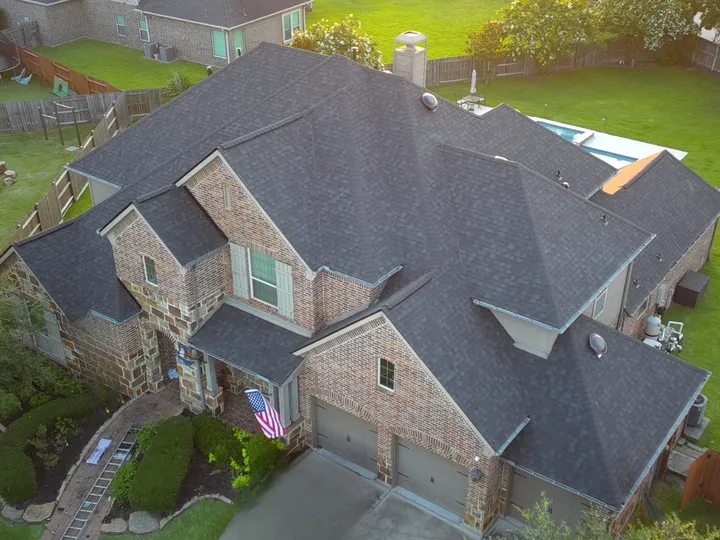
From the ground, scan the ridgeline and the field for shingles that look lifted, curled, or missing, and check that pipe boots and vent flashings still sit flat. Note the date of the storm you think caused the damage, since that anchors an insurance claim. Then let us put a drone over it — we cover the whole roof safely, and because we are based right here in Katy, we can usually be on your roof within a day of your call.